
Uganda is situated in the centre of the African continent. Landlocked, it borders the Democratic Republic of Congo (DRC), Tanzania, South Sudan, Kenya and Rwanda. Its official language is English, although many people use various native languages.
It has a population of approximately 49 million people, which continues to change due to Uganda having one of the youngest and most rapidly growing populations in the world. The principal industry is agriculture, with nearly 73 per cent of the population living in rural areas. In addition to its main export of coffee, Uganda produces tea, fish, cotton, gold and horticultural products. It has a small industrial sector but this is dependent on imports of oil and heavy equipment. There are known oil reserves, but with a very low level of development.
Uganda is one of the poorest countries in the world. Around 21 per cent of the population lives below the poverty line, and more than half of the people exist on less than £1 per day. It has marked levels of inequality with the bottom 10% of the population consuming 2.4% of national wealth, whiles the top 10% consumes 34.5%. Healthcare and education are poorly resourced, and there is little pension provision. While the government does have policies for healthcare and education, it often falls to local people to provide the means to deliver these.
Almost half the population is under 15 years old. Life expectancy is around 68 years for men and 72 years for women. 1.5 million people are living with HIV and AIDS. There is also a high infant mortality rate of around 28 per 1000 births..
Literacy rates have been very low but are improving. Currently, around 79 per cent of the population are able to read and write after age 15.

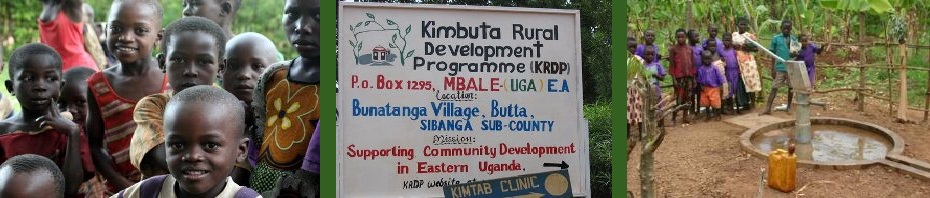
 Kimbuta Rural Development Programme
Leave a comment